Apps for mental health

Annual referrals to young people’s mental health services has risen by an average of 50 per cent each year since 2019, meaning many young people are being left with a long wait for support for mental health conditions.
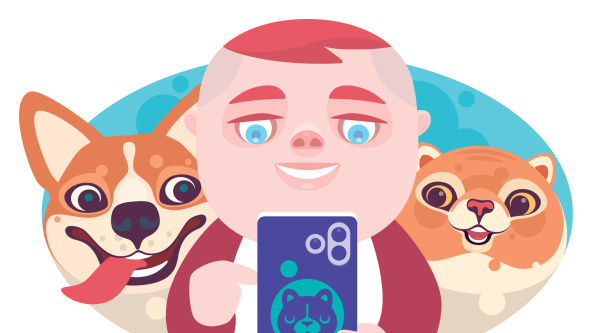
Apps appeal because they are available 24/7 and, as one parent said: ‘No one wants to think that their child is sad and lonely; it is a friend in their pocket for the times you can’t be there.’
They can serve a purpose, but it is important to understand there may be little regulation, testing or research about their efficacy. In theory, anyone can create an app and put it on the iTunes or Google store. In addition apps come and go from the market rapidly. The profits are low unless there are bulk sales and while many people download a free or low-cost app, they may never open it up. Comparison sites such as onemindpsyberguide.org provide some peer reviews and statistics on usage.
Apps and online tools are popular and are becoming widely used in schools. However, they will not meet every child’s needs. There is an increasing emphasis on developing children’s resilience, moving them on from being a ‘worrier’ to being a ‘warrior’ and apps have a role to play here.
It is probably wise to focus apps which deal with specific issues or states of mind rather than generalised wellbeing apps.
Student Health App
An app developed in the UK by medical professionals in conjunction with University of Bristol, and accredited by Mind. The app is aimed at older teens (16+) and students, giving them a broad range of information about medical services and advice. It is inclusive and stigma-free, covering topics like sleep, stress and self-harm. Available on Apple or Android
Childline
Childline has discontinued its app, but is present on social media (facebook, instagram) and is a private and confidential service for all young people under 19. It includes a downloadable mental health first aid kit, which includes techniques for calming, distracting and monitoring moods, as well as links to CAMHS professionals.
Bullying and Cyberbullying
Tootoot
Tootoot is a resource for schools, which includes an app and online platform providing 24-hour support to young people who are victims of bullying and online abuse. It gives students an alternative way to disclose their concerns when they are unable to do so face-to-face. Hannah Plews, head of peer mentoring at Oldham Hulme Grammar School, said: ‘Tootoot is helping us uncover issues before they are left to fester and turn into bigger problems. For example, there is a lot of anxiety around Year 7 transitioning to senior school.’ Now includes a staff wellbeing function too. Tootoot availability is dependent on the child’s school providing access. Read more about Tootoot
Generalised Anxiety
Chillpanda
Measures heart rate and uses recognised techniques: yoga, breathing and light exercise to de-stress. Designed for ages 6-8. http://chillpanda.co.uk/
eQuoo
Digital adventure games designed by psychologists for schools and students to address wellbeing and emotional fitness. Aims to reduce anxiety, build resilience and interpersonal skills. Android and Apple
Mindshift
Provides evidence based strategies based on Cognitive Behavioural Therapy to relieve stress and provide a personal guide to happiness. Helps the user to identify and plan for situations that cause anxiety. Includes detailed information on perfectionism, worry, test and performance anxiety, social fears and panic. Suitable for young people 12+. Android and Apple
Headspace
A science based app to practise mindfulness and meditation, packed with resources to build resilience, improve wellbeing and help sleep. Android and Apple
Moodgym
An interactive tool for depression and anxiety based on CBT and presented as a training in a self-help workbook. https://www.moodgym.com.au/
OCD, Addiction and Eating Disorder
NOCD
Using both Mindfulness and Exposure Response Prevent treatment, this app contains immediate guidance for an episode as well as monitoring conditions longer term. Available on Android
Recovery Record
An app for people (12+) recovering from eating disorders, including anorexia nervosa, bulimia nervosa, excessive eating disorder, binge eating and ARFID. Available on Android and Apple
Wellmind
This app aims to improve mental health and wellbeing, through digital drug-free treatments; commissioned by the NHS. Functions to help monitor mood, get crisis help and use relaxation audio tracks. Available on Android
Depression
SAM (Self-help for Anxiety Management)
An online tool to manage depression, anxiety, mood swings and loneliness through self-help techniques. Android and Apple
Sorted: mental health
The Sorted app uses audio tracks to encourage positive thinking , energy and build confidence. Now with tracks to help sleep difficulties. Android and Apple
MoodTools
Questionnaires, videos on guided meditations, soothing sounds and TED talks focusing on aspects of depression. A comprehensive section on through records and how to make them. 12+ Android and Apple
Self Harm and Suicidal Thoughts
Calm Harm
Developed by a clinical psychologist in collaboration with young people, this app uses a variety of techniques such as distraction, self-expression or breathing to diminish the urge to self-harm. Android and Apple
Stay Alive
Quick access to UK national crisis support helplines for those who are having thoughts of suicide or who are concerned about someone else. A Lifebox allowing a user to upload photos from their phone to remind them of reasons to stay alive. Android and Apple
Online Communities
Togetherall
A safe community, monitored by clinicians and health professionals providing a platform for peer to peer support for mental health needs. Provides courses, resources and online assessments, recognised by NHS. https://togetherall.com/en-gb/
Tellmi
Tellmi (previously called Meetwo) is an online community for teens and young people to share mental health worries, including stress, anxiety and depression. It has targeted support from real people, not a bot, and can be used anonymously. Users talk to others within a similar age-band about mental health needs and all advice is checked. A new extension uses in-house counsellors for particular groups suffering with stress, e.g. job-seekers. Used in some areas by NHS services. Android and Apple
Anxiety United
A social network to share experiences, gain information on a range of conditions and free resource centre. https://anxietyunited.com/
Apps will never replace professional support for young people with poor mental health issues but they can reach some people who are waiting for over-stretched mental health services or those who have difficulty engaging. For example, young men have a higher suicide risk; they are often reluctant to seek help and may go down the road of drugs and alcohol, a form of self-medication which masks their problems.
Perhaps most importantly, apps can be carried in your pocket, offer privacy and give the individual a measure of control. One app review on the iTunes app store said: ‘This weekend I found the online support list and the keeping safe for now section helpful, it made me feel less lonely. Unlike so many mental health apps yours is not patronising and doesn’t claim to ’fix’ anyone. No app will ever be able to fix me but yours kept me company during a very long, dark weekend.’