Boarding school for the sixth form
Who chooses sixth form boarding?
Nearly a third of all children attending a private school sixth form in the UK are boarders – twice the number who board in the lower years of senior school. It is a popular way to get through the final two years of school, but it certainly is not for everyone.
Whether it’s a move to a new school or simply a change of status from day pupil to boarder, a successful sixth form boarder will be motivated, engaged and resilient. There is a huge amount on offer to these students and they need to find their feet quickly so that their studies during these crucial two years do not suffer.
A move to sixth form boarding rarely happens unless the young person in question is fully behind the decision. Parents may also feel that it’s a positive choice that will help their child learn to live independently and, as a side benefit, reduce some of the family conflict that teenage years often bring (at least during term time). However, if your son or daughter hasn’t boarded before, it’s important that they understand the realities of living at school rather than at home.
Why start boarding in the sixth form?
Greater independence and responsibility
Sixth form boarders are treated a little like adults-in-waiting. Compared with boarding at a younger age, there is freedom and autonomy, but that also requires greater responsibility and discipline. It’s a test of pupils’ maturity but most rise to the challenge.
Living arrangements for sixth-form boarders
Generally, pupils will have their own study bedrooms (two to a room in year 12 is not unusual) in an accommodation block with well-equipped kitchens – Ocado will deliver to boarding schools, not to mention Just Eat and Deliveroo – washing machines and even gym facilities. Providing separate sixth form living quarters is increasingly common and popular with students for the collegiate atmosphere, both socially and academically, it inspires. Being removed from the rowdier elements of school during exam season is also appreciated.
How schools prepare sixth-form boarders for university
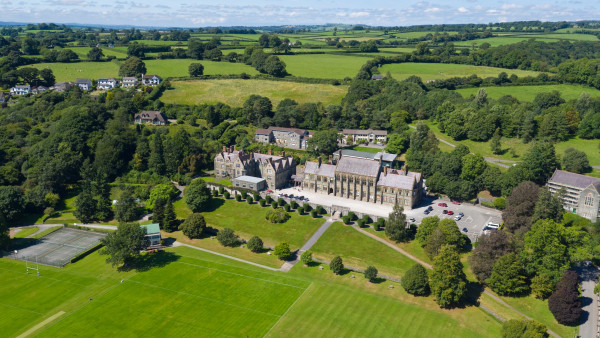
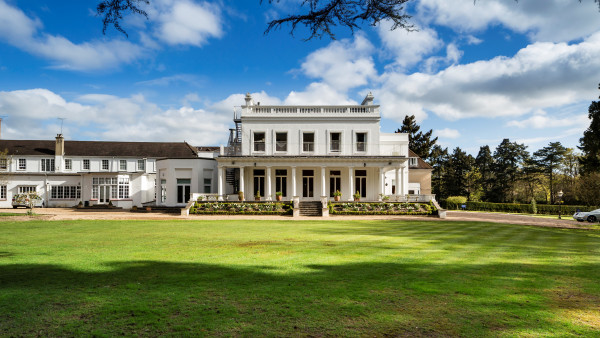
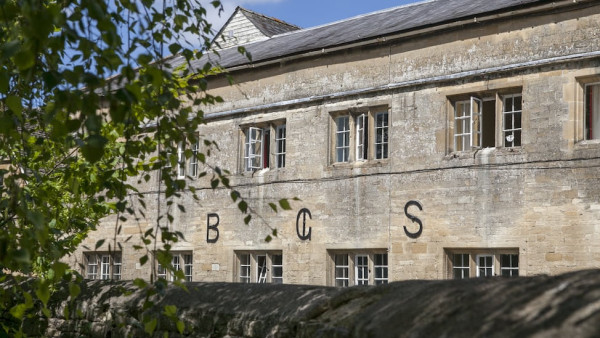
As well as aiding academic focus, today’s boarding schools pride themselves on helping students become more independent before university. At Heathfield School, an all-girls’ boarding school in Ascot, Berkshire, girls in the upper sixth live in their own bungalow on site with laundry and roomy kitchens. Burford School, a co-ed state boarding school in Oxfordshire, has created a flat within the boarding house for a group of sixth-form girls to get them ready for the university years. At Mount Kelly, a coeducational school in Tavistock, Devon, year 12 and 13 pupils are allowed into town on a Saturday evening to meet friends and pick up supplies. The local Co-op has extended opening hours to take advantage of the extra footfall.
The reality of sixth form boarding
Rules, freedoms and school policies
Even in the sixth form, it’s unlikely that your son or daughter will enjoy the same freedoms they have at home. Parents and children will be expected to agree to and abide by the school’s policies on everything from uniform, energy drinks, and alcohol to PDAs (public displays of affection – kissing, holding hands, etc), mobile devices and random drugs testing. These policies (all of which will be on the school’s website) have been drawn up to ensure not just your child but the whole boarding community is safe. You should have a frank discussion with your child to ensure you are both clear on what the school’s rules say they can and cannot do. If he or she is accustomed to a more liberal domestic arrangement, there needs to be agreement that the school’s regime will be respected.
Alcohol, pubs and sixth-form privileges
Some schools allow 18-year-olds to visit ‘approved’ pubs or restaurants in the nearest town, but such freedoms are a privilege instantly rescinded if abused. Others – perhaps in more rural areas – have a sixth form bar where alcohol is dispensed under supervision and always with parents’ consent. What happens under the radar is, inevitably, another matter – as it often is at home.
Rules about what happens on school premises are fair enough, but it’s a much greyer area when full boarders attend private parties at, for instance, a day pupil’s house. Parental permission must be obtained to attend this kind of event, but responsibility for policing pupils’ behaviour under these circumstances cannot realistically lie with the school.
Relationships and behaviour expectations
Relationships between pupils at boarding schools are a concern for parents and, we imagine, a chronic headache for staff – especially at co-ed full-boarding establishments. At most schools, ‘intimate or explicit sexual relations’ are classed as ‘misconduct’ that can lead to suspension or expulsion. Some schools ban any public display of affection; some don’t. However, as with drink and drugs, banning sex doesn’t mean it won’t happen. If your daughter is joining a boys’ school with a co-ed sixth form it’s important to get a feeling for how well this transition is managed and how actively gender relations are monitored.
Starting sixth-form boarding at a new school
We would advise checking how many new boarders join the school in the sixth form. While schools will always do their best to integrate new pupils, it can be difficult if your child is one of just a few new faces joining established social groups. Most schools advertise the fresh intake at sixth form but specific numbers surrounding boarders or houses may be less clear.
You should feel able to raise questions and discuss concerns about this or any other matter with the school. Talking to parents with older children at the school is also a good idea if you want to understand how closely policy matches reality. The ‘Pastoral care, well-being and discipline’ section of our reviews covers these issues.