7 top schools for beautiful buildings
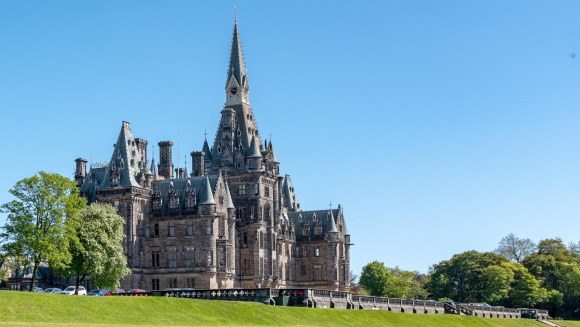
Stowe School
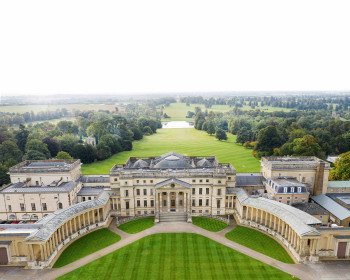
‘We’ve seen some serious school buildings in our time, but this takes the biscuit,’ says our reviewer. ‘We knew we were in for a treat (the school famously occupies the Grade I listed Stowe House) but the National Trust-owned parkland around it – ornamental lakes, monumental columns, temples – is extraordinary in its own right, inspiring stunning pupil landscapes.’ The school even boasts an 1803 Egyptian Hall (sphinx – tick; sarcophagus – tick), a marble saloon modelled on the Pantheon (Roman-style victory frieze – tick), newly restored state dining room and a 17-something library with ornate plaster ceiling (views of Capability Brown gardens – tick). A few parents observed that some of it could do with tarting up but realised that it’s the price you pay to go to school in one of Britain’s finest neoclassical piles (along with the actual fees, that is).
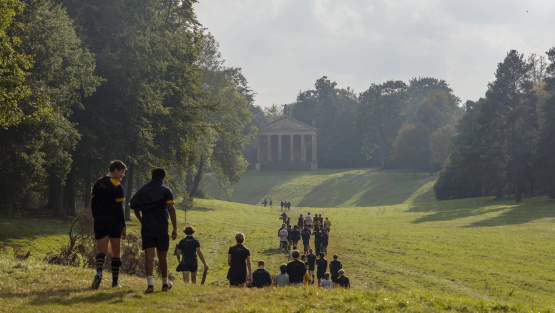
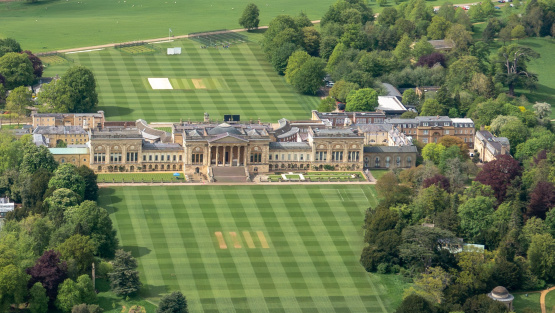
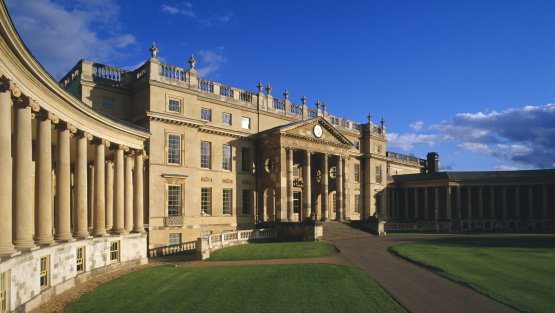
Wells Cathedral School
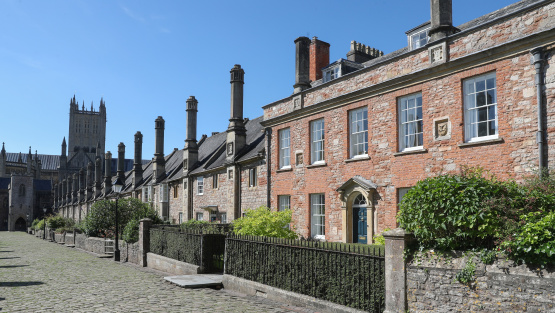
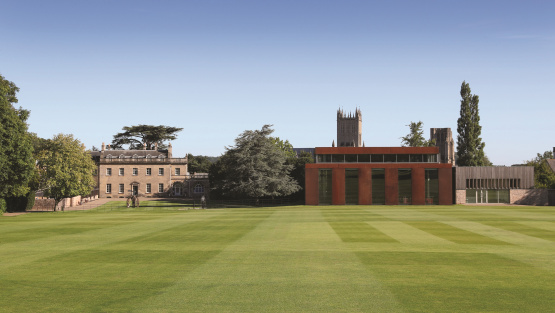
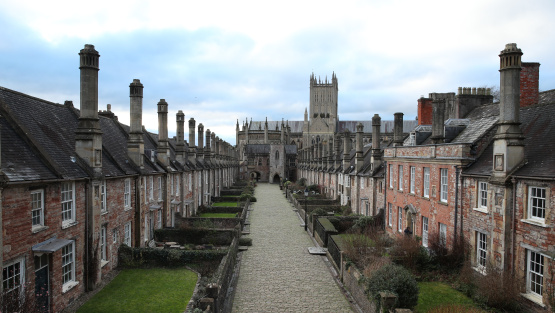
Tracing its roots back to 909, Wells is one of the world’s oldest schools and wears its age beautifully; there surely can’t be a lovelier place of learning anywhere. Whether picking our way down the cobbled Vicar’s Close, where we heard mellifluous treble recorder playing drifting out of the mullioned windows, or wandering about the many elegant Georgian buildings cocooned in greenery, we concluded that growing up here must be a gift. ‘I am not sure our children yet realise just how lucky they are,’ agreed one parent, and when I visit I do have to pinch myself sometimes.’

Queen Elizabeth School, Barnet
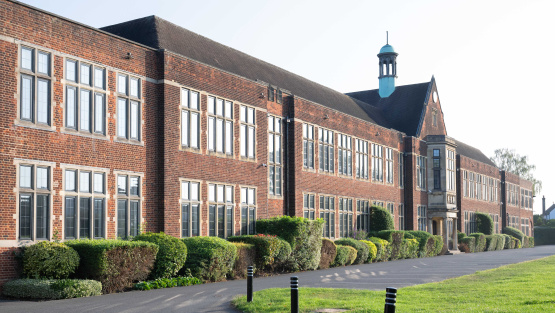
‘The current building, built in 1932, is inspired by the Elizabethan roots – brick and stone masonry, terrazzo flooring, oak panelling – alongside the iconic 1930s glazed tiles in classrooms and corridors,’ says our reviewer of this striking looking school. ‘Everything, inside and out, is spick and span; no signs of wear and tear wrought by 1,300 teenage boys.’ The main building was extended at both ends in the 1950s, with further buildings added behind the main structure in 1957.

Fettes College
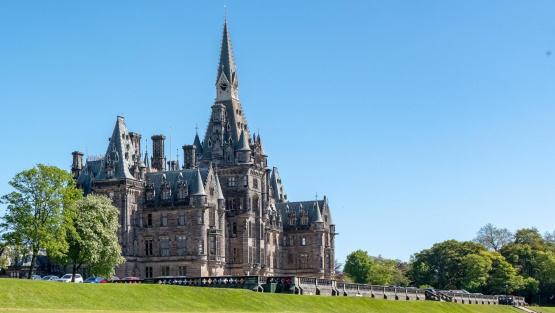
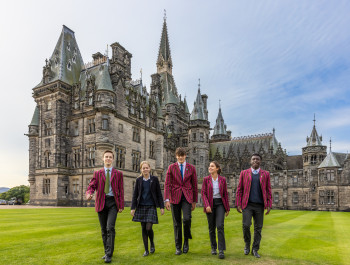
‘The building itself is magnificent, standing imperiously on a hill overlooking the city,’ says our reviewer. ‘When the head looks up at the Victorian spires, she’s probably worrying about wobbly gargoyles, but for the rest of us it’s a real knock-your-socks-off moment. Even JK Rowling is rumoured to have had a little Hogwarts moment when she turned into Fettes Avenue.’ Situated on a large, 100-acre site in Edinburgh, the school’s impressive Gothic style, not to mention complementary recent additions (such as the Spens building), have long attracted visitors who laud the campus’s historical grandeur and natural beauty.
Clifton College, Bristol
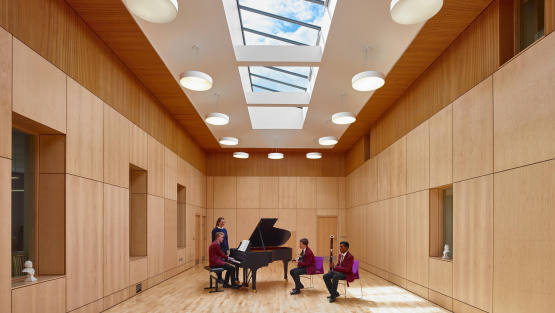
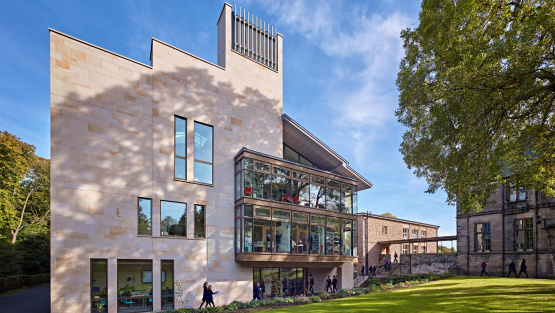
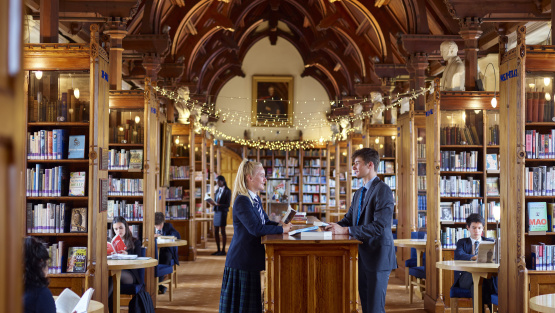
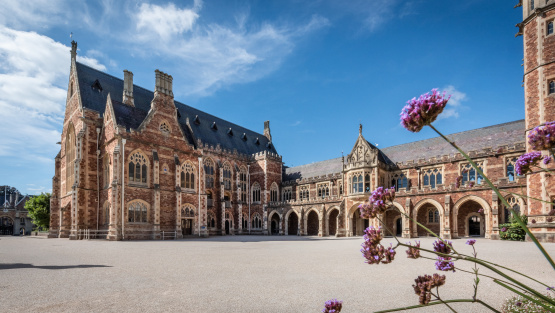
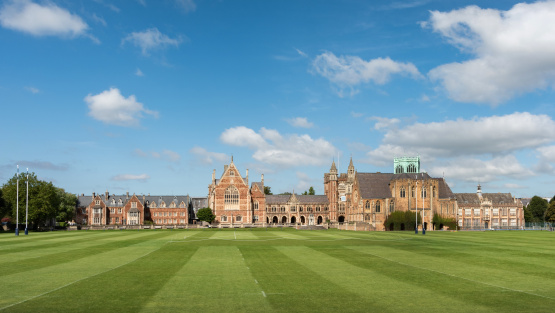
The striking, historic buildings at Clifton College are cleverly combined with contemporary, purpose-built facilities. The Grade II listed Percival Library must get a mention for both aesthetics and resources (over 15,000 books), along with the Joseph Cooper Music School and the Redgrave Theatre. But it is the stunning Grade II listed Chapel that takes centre stage – it hosts events well beyond religious services. All surrounded by 90 acres of sports facilities and grounds including manicured lawns and ancient trees. ‘Students seem genuinely appreciative of their surroundings and abide by the rule of silence when walking through the memorial arch commemorating the names of pupils who died during the Second World War,’ writes our reviewer.
Rugby School
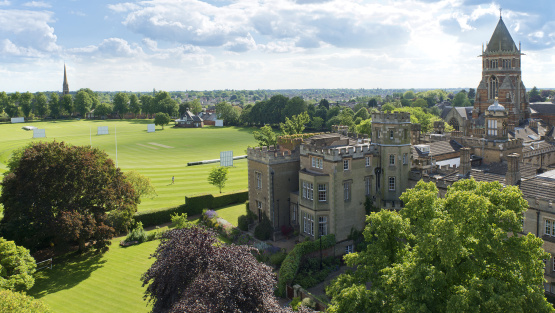
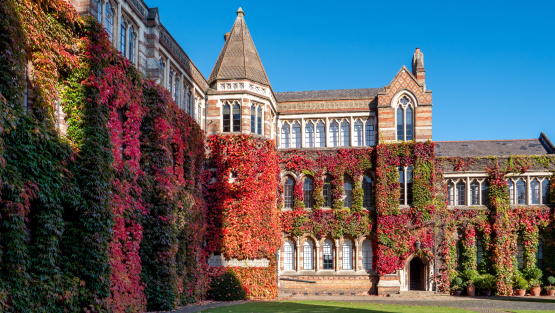
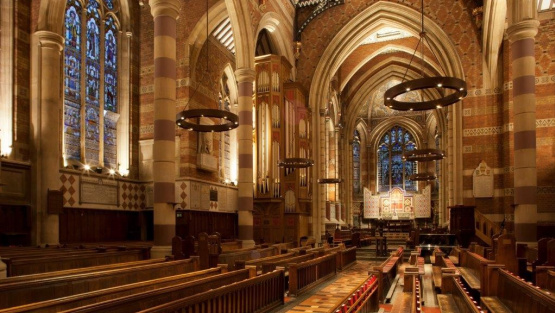
Located in Warwickshire, in the heart of England, this school is not only famous for its role in the history of rugby (as in, the game) but also for its striking 300-acre campus and picturesque architecture, notably the Old Quad buildings and the School House, some of which date from 1748. Other landmark buildings include the New Quad buildings from the Victorian era, designed by William Butterfield, a Gothic Revival architect. The star of the show is the Grade I listed chapel, built in 1872 and boasting famous stained-glass windows, including a mosaic reredos and memorial tablets dedicated to famous Rugbeians.
Stonyhurst College
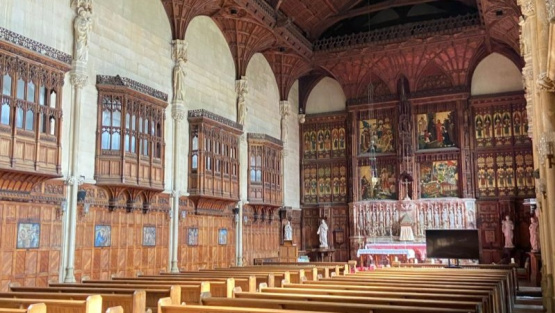
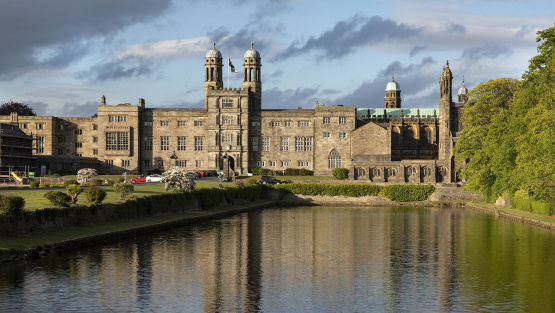
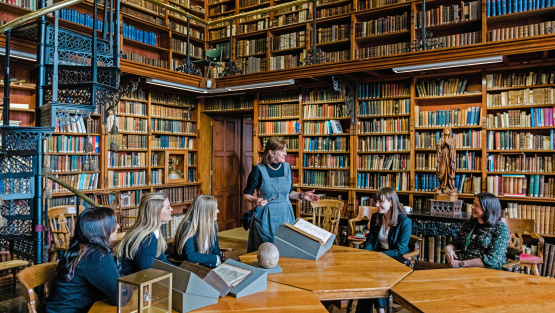
Founded in 1593 in France, the school relocated to the beautiful Ribble valley in 1794. ‘The building and its grounds, with their formal waterways, have a stately grandeur that certainly inspired former pupil, Sir Arthur Conan Doyle – the description of Baskerville Hall is based on Stonyhurst,’ writes our reviewer. The manor house is one of the largest buildings under one roof in Europe, although it was the ancient historical libraries that wowed our reviewer most – along with the college chapel and St Peter’s, which ‘lends a Brideshead grandeur’. The domed Victorian Observatory wins the prize for most unusual school building.