Best schools in Tokyo
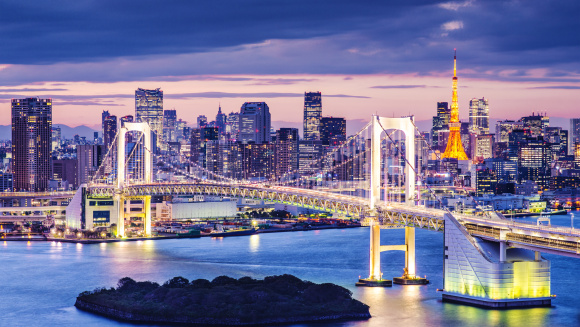
Education in Tokyo
International schools are highly regarded (sometimes even aspired to) in Japan. Compared to the local Japanese state schools, locals think international schools represent a better education in English (true), foreign languages (true) and creative thinking (mostly true).
There are many good international school options in Tokyo. Most are based on either the English national curriculum, IB PYP/ MYP/ DP or the American system and all will claim to weave in some amount of Japanese context, culture or language teaching into the student experience. The days of international schools being ‘expat bubbles’, where parents and teachers can claim that being in an international school in the middle of Tokyo is exactly like being in their village school back in England, are long gone. These days the international schools are likely to be packed with internationally-minded Japanese families, bi-cultural families or long-term Tokyo expats. The ‘we’re-on-our-first-posting-out’ expat family is becoming the minority.
Schools in Tokyo are all compact so don’t expect vast playing fields. However, one upside of being in such a dense city is that students can commute to school on their own, even in primary years, with the city being well-connected by public transport and generally regarded as safe. Proximity to school is handy for peace of mind in this earthquake-prone city. The efficient train network also means that schools in the Yokohama area – Yokohama International School and Saint Maur International School are two stand-out choices – shouldn’t be discounted by families residing in Tokyo.
Choosing a school in Tokyo
Your primary consideration in narrowing down the right choice of school in Tokyo is probably curriculum.
It used to be that if you were committed to the national curriculum for England from start to finish, then the British School in Tokyo was the obvious option. The school now has a senior campus within Showa Women’s University and a primary campus designed by the British architects, Thomas Heatherwick, within the brand new Azabudai Hills complex.
The ‘British education’ offering has broadened further with Phoenix House International School offering a British prep style education and several renowned UK schools (Harrow, Rugby and Malvern College) recently starting up their Japan campuses on the outskirts of Tokyo or within easy Shinkansen (fast train) access.
If you are not wedded to the English curriculum the choice of American, Canadian and International Baccalaureate schools is very good as several have excellent facilities and pupil to staff ratios. Some schools are well-established and have a long history linked to when foreign families started arriving in Japan (like the American School in Japan or Seisen International School).
Learning Japanese
If the acquisition of Japanese language and culture is important to you, look for schools well-known for a strong Japanese language programme (like Nishimachi International School), and enquire in detail about the number of contact hours for Japanese per week or attainment of IB bilingual diplomas. The make-up of the families at the school also matters obviously.
Some Japanese private schools are starting to offer an English or dual language track leading up to international qualifications, usually the IB diploma. A handful of local Tokyo schools also run ‘returnee’ programmes for Japanese children returning from overseas which foreign children can sometimes take advantage of.
Sometimes families on a short-term work contract consider sending their children to local Japanese schools at pre-school or elementary level, to pick up the language and culture. The results are not across-the-board positive. While children often survive well, the more successful ones make friends and learn to assimilate; even the less successful develop a thick skin and resistance to ‘othering’, although the parents may have a harder time. Language aside, the processes for application are often bureaucratic and the expectations of parent participation may be more demanding than envisaged.
Accreditation and memberships
Established international schools in Japan are likely to be members of JCIS (Japan Council of International Schools) - a grouping of English-medium schools in Japan that advocates for international education in Japan, shares good practice among member schools and conducts professional development workshops.
At secondary level, the 12 member schools of KPASS (Kanto Plain Association of Secondary Schools) often compete with each other in sport and the arts. Additionally, each school is likely to have its own regional or international grouping which will offer yet more opportunities for friendly inter-school competitions and collaboration on professional development, for example COBIS (Council of British International Schools) or FOBISIA (Federation of British International Schools in Asia).
International consultancy
If you’re considering a move abroad, our expert consultants can advise on all aspects of international education, from curricula to the local parent scenes.

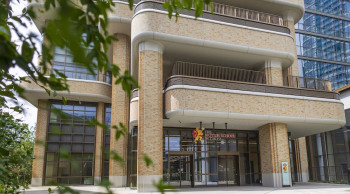
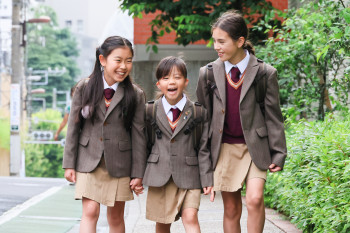
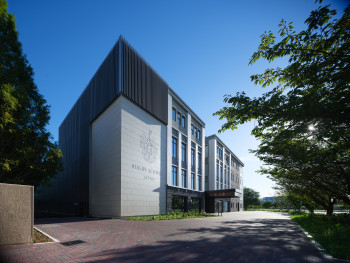
High schools in Tokyo
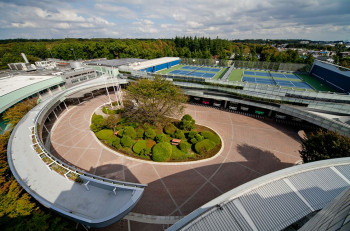
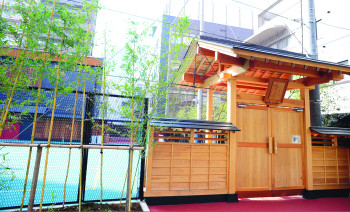
Special education needs in Tokyo
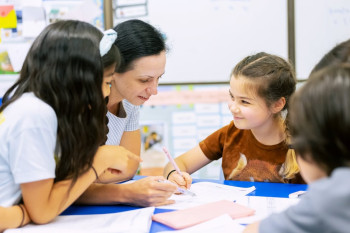
Special education needs are increasingly gaining awareness and importance. It can still be difficult to get the same level of professional learning support in English as you would at home but most of the larger international schools have ramped up the intensity of their learning support over the years. Some small specialist schools like Tokyo International Progressive School have also started to provide alternative education choices.
Pre-schools, kindergarten and nurseries in Tokyo
Some of the international schools have their own pre-schools and kindergartens which are natural feeders into their primary schools. The American School In Japan (ASIJ) Early Learning Centre offers an American curriculum yet is quite universal. This Early Years centre has a very central location and a beautiful purpose-built building. The nursery class at the British School in Tokyo takes children from 3 years old, the start of the early years foundation stage. Like the older primary students, they attend whole school assemblies and concerts and benefit from interaction with older primary and secondary students. Aoba-Japan International School in Meguro is co-ed, with students aged 18 months to 6 years and acts as a kindergarten and elementary school to the main school in Hikarigaoka.
There are many excellent dedicated pre-schools, with a variety of settings and offerings. Willowbrook International School has classes in the mornings for children aged 18 months to 5 years with the option of extended daycare in the afternoon. The school offers a Japanese/English dual immersion programme as well as the IB primary years programme. Teaching is in English with Japanese lessons as well as nature, music, art, cooking and drama. EtonHouse International School offers programmes in English, Mandarin Chinese and Japanese.
The Reggio School of Tokyo for children from 12 months to 6 years old offers a Reggio Emilia approach. Komazawa Park International School is strategically located to enable them to offer an outdoor learning environment for children from 18 months to 5 years.
