Does my child need a tutor?

When should you get a tutor for your child?
Whether it’s to prepare for an exam, plug a learning gap or boost a problem area, a clear objective is key to ensuring you don’t get a tutor unnecessarily. If you’re not really sure why you’re getting a tutor, chances are you don’t need one at all. Before asking yourself, ‘Does my child need a tutor?’, make sure you can identify a specific educational goal.
Common reasons children use tutors
People often use a tutor:
In year 3 to ensure a child is up to speed for prep school assessments
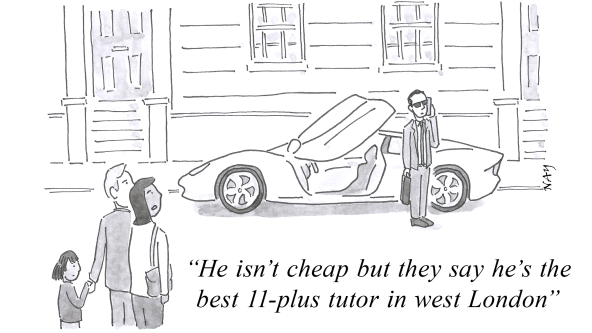
In year 5/6 to prepare a child for entry, at 11+, to the local grammar school or selective independent school. Most grammar schools (and some independents) test verbal and non-verbal reasoning, as well as maths and English
In year 6 to bolster basic maths or English competence ahead of KS2 SATs
To assist with Common Entrance subjects – perhaps to ease the anguish of algebra or Latin
To shed light on a tricky GCSE topic
To ensure A level grades are a match for UCAS offers
To improve schoolwork following a dip in grades or a mixed school report
To get a youngster back on track after a iffy exam result
Following a bout of illness or unexpected family setback
When a specific learning difficulty is suspected or diagnosed
When does a child not need a tutor?
Schools do not ‘test’ children under 5 – they may look at how they interact with adults and with other children, whether they can concentrate, whether they enjoy playing or listening to a story, but the idea of tutoring a child of this age raises red flags and you should be suspicious of those who offer such a service.
Do children need tutoring for verbal and non-verbal reasoning?
We are also sceptical of those who offer excessive coaching in verbal and non-verbal reasoning, which are specifically aimed at testing potential rather than current levels of attainment. Test papers are available online and it is usually sufficient to give your child plenty of practice while gradually encouraging them to up their speed. A few familiarisation sessions may help children who have never seen them before. If a child has real problems with these papers, you are probably wise to have them assessed by an educational psychologist.
Can too much tutoring be harmful?
Parents often get inadvertently caught up in a tutoring frenzy that sweeps through their school or neighbourhood. Upon hearing other parents at the school gates discussing tutors as though they are de rigueur, they snap one up themselves – without really assessing if it’s needed or could be detrimental.
Indeed, study upon study shows how important play, fun and free time are to children’s educational development. In many cases, a drop in academic standards is a sign of exhaustion and lack of downtime. Overworking children will soon backfire.
Alternatives to private tutoring
You might be surprised how much you can improve your child’s academic performance through simple measures such as regular bedtimes and mealtimes and turning off screens an hour before bed – children cannot work well if they are either tired or hungry. Read with your children, encourage independent reading and put time aside for a few maths problems here and there. Before paying for private tutoring, it is worth making sure these fundamentals are already in place.